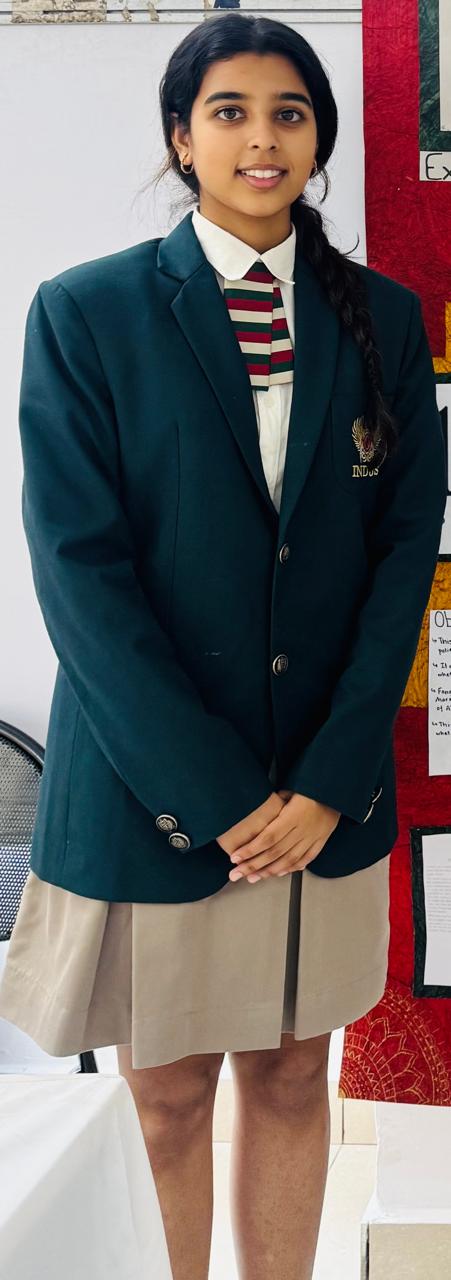
Who I am Becoming
I have always been the kind of person who asks too many questions—the kind that don't have simple answers
While a lot of people are passionate about how technology is built, I’m much more curious about what happens after it’s out in the world. Why do some ideas completely transform lives, while others never even reach the people who need them most?
How do we learn to trust new technology and use it efficiently?
And how does information secretly shape the choices we make every day?
These are the exact questions bouncing around in my head, and they form the thread that connects everything I choose to learn and everything I want to become.
Over the past few years, I’ve had the chance to test these questions out in the real world. I’ve worked alongside educators and engineers to build AI-powered learning tools, teamed up with government schools and ITIs, and helped create programs that connect classrooms directly to jobs. I even spent time researching how public information systems impact communities during natural disasters. Though these projects seem completely different on the surface, they all taught me the exact same lesson: technology is only valuable when it actually makes life better for real people.
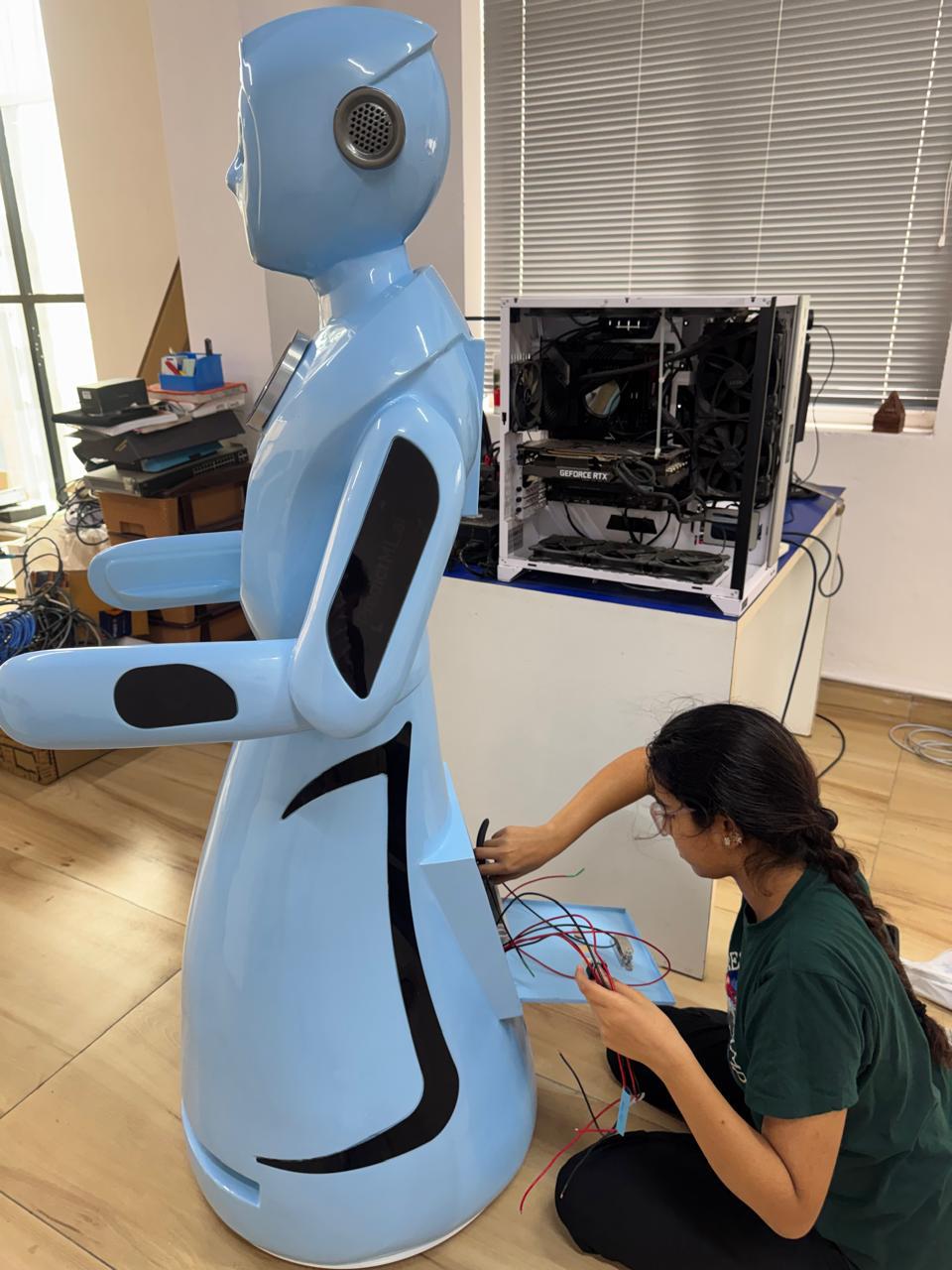
The more time I spent working with schools and students, the more I realized that a good education isn't just about a solid curriculum. It really comes down to how information shapes a student's future. I noticed that real learning depends on so many moving parts, having the right resources, creating supportive environments, building student confidence, and truly backing our educators. Seeing how these pieces connect is what inspired me to start the NavanTara AI Learning Foundation.Today, we are bringing schools, industries, and communities together to find smart, tech-driven ways to open up brand new career and educational doors for students.
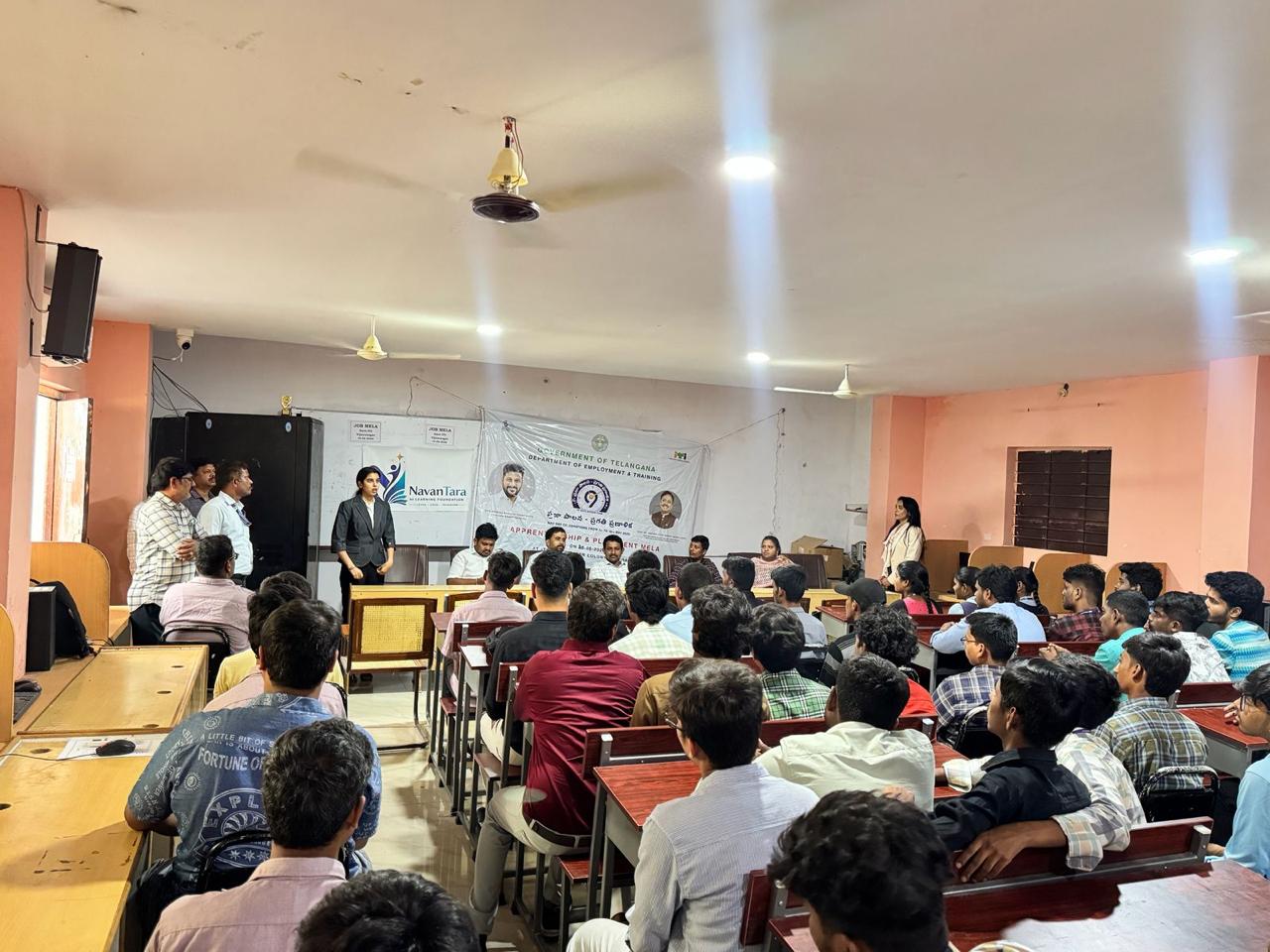
Over time, my focus has grown to look at the bigger picture beyond just education. Whether I am looking into how we communicate during disasters, how public information systems function, or how we build human-centered AI, I always find myself coming back to the same core questions. How does information actually flow between people, teams, and whole communities? Why is it that some systems thrive while others fail miserably, even when they have incredible technology? Usually, the answer lies in the design—and I want to figure out how thoughtful design can bridge that gap.
The more I look into this, the more I realize these challenges don't stop at our borders. They are truly global issues. No matter where you look, societies everywhere are dealing with educational inequality, information gaps, and roadblocks that hold people back. The local details might change from country to country, but the core challenge is exactly the same: how do we make sure that knowledge, technology, and information actually make a real, positive difference in the lives of the people who need them most?
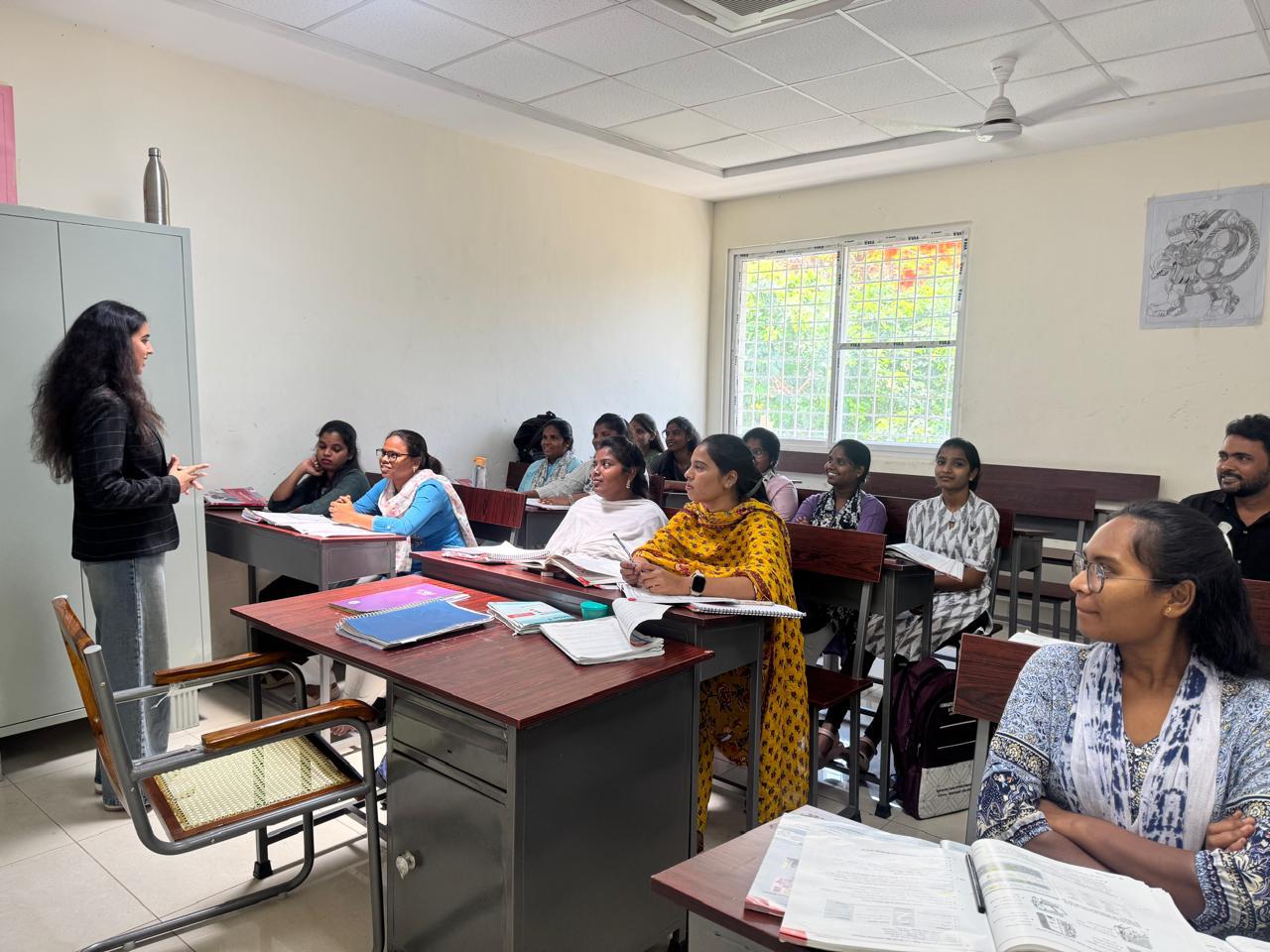
This exact perspective is what draws me so deeply toward Information Science. I’m not just fascinated by how we build intelligent systems; I want to understand how real people actually discover, trust, and act on the information within them. Ultimately, my goal is to explore that sweet spot where technology, data, design, and human behavior meet. That is how we create systems that aren't just innovative, but truly inclusive for everyone.
I don't think there is a single, perfect answer to these questions, and I'm glad. Every project pushes my boundaries, every conversation breaks an assumption, and every day reminds me that growth starts with staying curious. This web site brings together those experiences, research pieces, and reflections. It isn't meant to be a static list of past achievements, but rather a transparent look at the ongoing questions that shape how I think and work.